Storia Saggio Revisione a doppio cieco EN
Paper Cities
Municipal archives and the making of urban memory
Vol. 1, n. 2 (2026) 1 min di lettura
Abstract
Municipal archives do not merely preserve the memory of cities: they help to build it. The essay follows the case of a European port city between the eighteenth and twentieth centuries, showing how registers, maps and land surveys decided which places, trades and communities would enter urban history and which would be left out.
Riassunto
Gli archivi municipali non conservano soltanto la memoria delle città: contribuiscono a costruirla. Il saggio segue il caso di una città portuale europea tra Sette e Novecento, mostrando come registri, piante e catasti abbiano deciso quali luoghi, mestieri e comunità sarebbero entrati nella storia urbana e quali ne sarebbero rimasti esclusi.
Every city has two shapes. One is made of stone, streets and water. The other is made of paper: registers, maps, deeds, petitions and minutes, kept in the municipal archive. Historians usually treat the second as a mirror of the first. This essay argues that the relationship runs both ways.
What the archive records
A municipal archive records what the city needed to govern: property, taxes, licences, public works. Whatever escaped administration, informal trades, temporary dwellings, the lives of those who owned nothing, left fewer traces or none at all.1
Maps as arguments
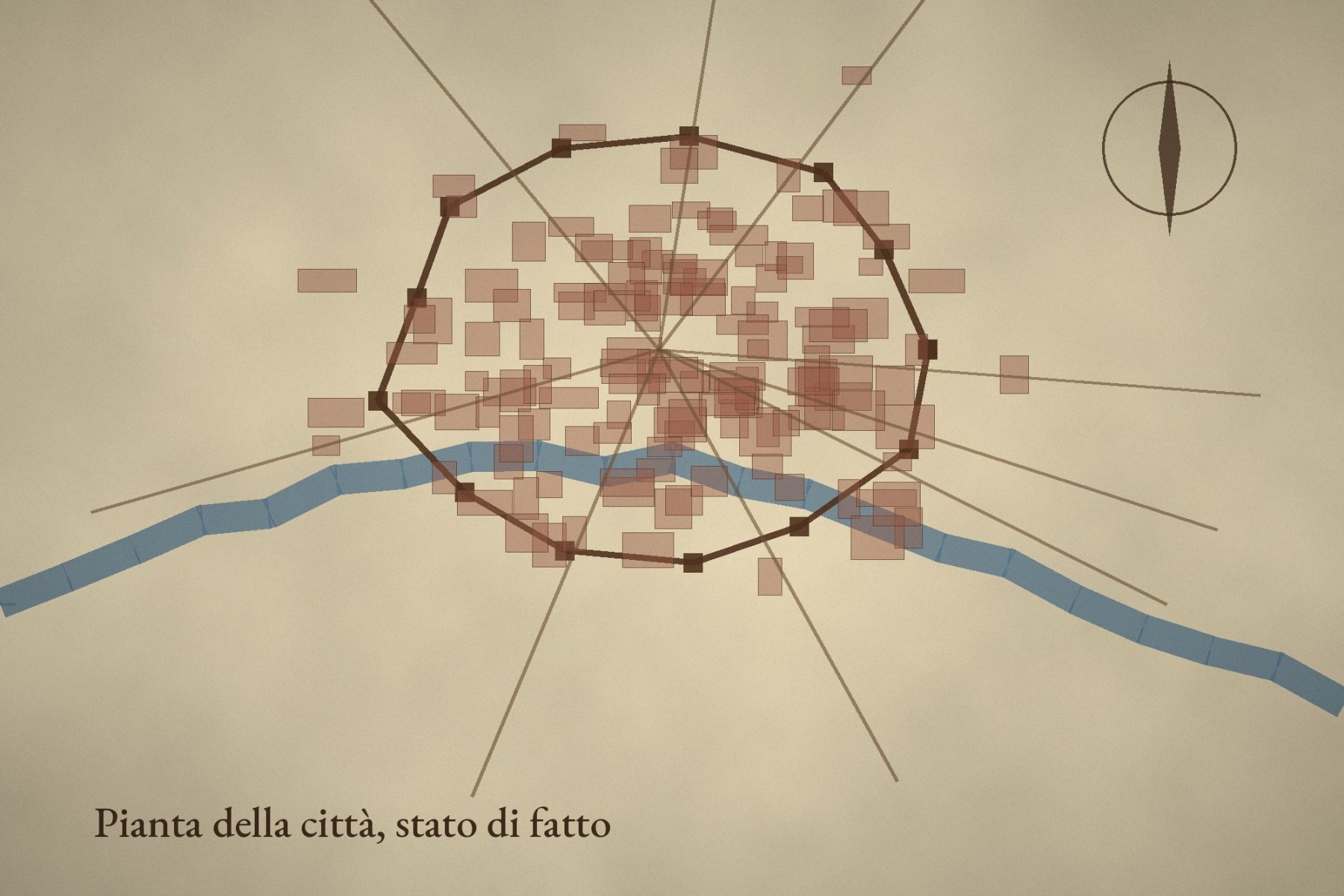
Urban maps are a case in point. A plan drawn to support a new street or a demolition is not a neutral survey: it shows the city as it should become. When such plans are later read as evidence of how the city was, the project quietly turns into history.
Reading against the grain
None of this makes municipal archives less valuable. It means reading them against the grain: looking for the gaps, the marginal notes, the petitions that were rejected, the neighbourhoods that appear only when they are about to disappear.
Note
- On the experience of working with such sources, see A. Farge, Le goût de l'archive, Paris, Seuil, 1989. ↩

Elena DuarteUniversidade de Lisboa
Historian of early modern and modern cities. Her research focuses on municipal archives, urban planning and civic memory.